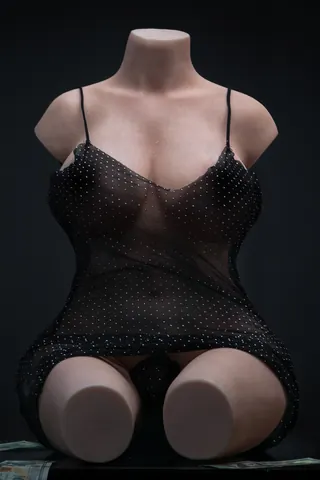
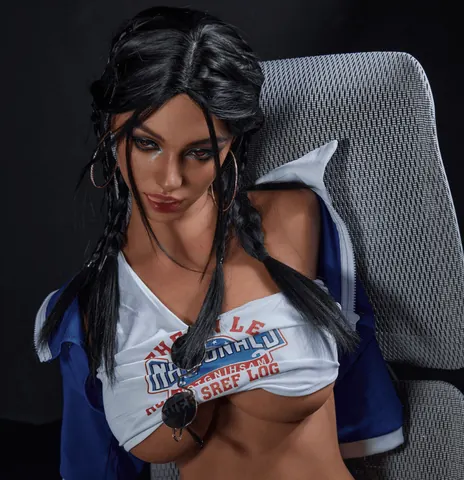
Measure before choosing clothes for an EroVenus Doll
A simple measurement record makes it easier to compare garment size charts and reduce pressure or dye transfer.
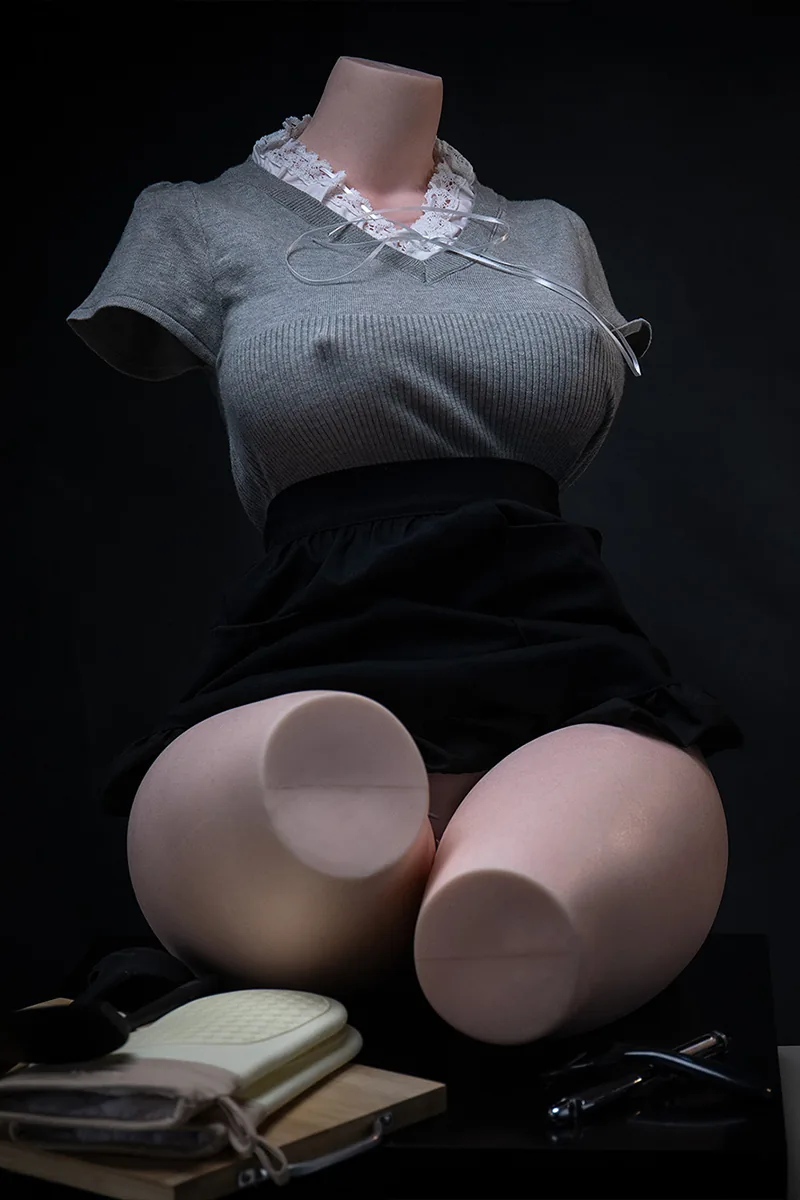
A simple measurement record makes it easier to compare garment size charts and reduce pressure or dye transfer.
Measure the configuration you are dressing
The manufacturer’s clothing guide starts with measurements rather than a generic size label. Write down the body reference and the dimensions relevant to the garment. A top can require shoulder width and chest circumference, while a fitted garment may also need the waist and hip measurements. Ask the clothing seller if its chart uses garment measurements or body measurements.
Think about how the garment goes on
Closures and stretch can matter more than the size printed on a tag. Consider which parts must pass through the garment opening and whether the maker approves removing any components for dressing. Prefer fabrics and closures that can be handled without dragging abrasive pieces across a painted finish.
Keep notes for repeat orders
Write down the garment brand, size and the dimensions that gave it a workable fit. If the fabric shows color transfer, record that too so it is easier to avoid similar finishes. Follow the manufacturer’s clothing and care instructions, especially for storage in sustained contact with fabric.